sethserver.com

AI

AI

Principle of Least Privilege in the AI Age

Updated: September 17, 2026

LLMs will confidently say "CEO" even after you told them "janitor." That's funny in a chat box. It's not funny once the model has tools like databases, email, and billing. This post breaks down least privilege for AI agents: narrow tools, server-side scoping, short-lived creds, and a simple rollout plan-start read-only, then add write actions one at a time. read on »

AI

How to Actually Secure MCP (Model Context Protocol)

Updated: September 17, 2026

MCP makes tool-calling feel clean and standard. It also makes it easy to hand an LLM a remote control for prod. This post breaks down MCP's moving parts, the real failure modes (tool injection, god-tokens, no audit), and the concrete guardrails that keep "automation" from turning into an incident. read on »

AI

Building an LLM Proxy That Scrubs SSNs, Credit Cards, and PII Before It Leaks

Updated: September 17, 2026

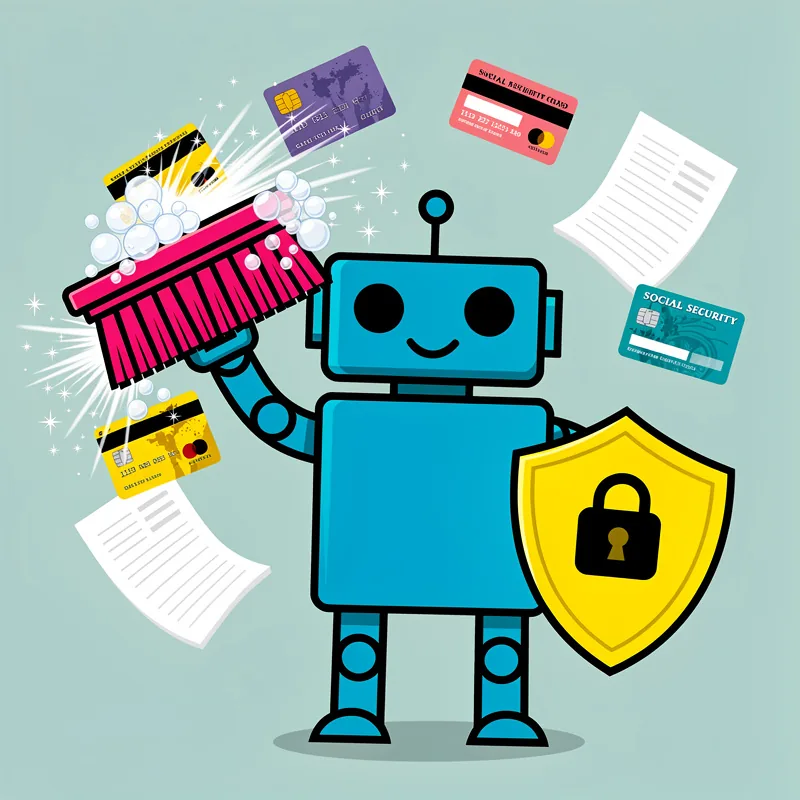
If your LLM is your compliance boundary, you're already in trouble. I once told a model "you're a janitor" and it confidently answered "CEO" to a job title question. That's the whole problem: models generate plausible text, not policy. The fix is a simple pattern-Client - Proxy - Model/tools-where the proxy classifies inputs, catches obvious PII with rules, optionally runs a separate classifier, redacts or blocks, and logs audit tags. Enforce at three choke points: prompts, tool parameters, and responses. The model is useful. It's not your compliance department. read on »

AI

HIPAA, PHI, and AI: How Not to Accidentally Become a Non‑Compliant Data Processor

Updated: September 17, 2026

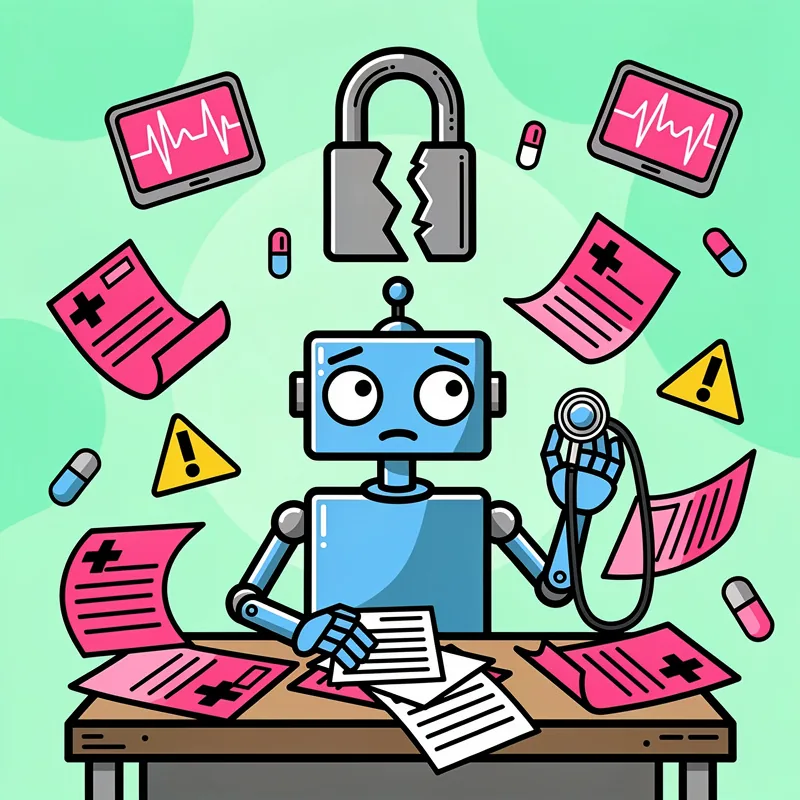
HIPAA gets dangerous for builders because it's boring. If your chatbot touches patient-identifying health info, you're handling ePHI-even if you "only pass it through" to an LLM API. This post breaks down Privacy vs Security in dev terms, the vendor/BAA trap, and the controls that matter: BAAs, encryption, least-privilege access, redaction, sane retention, and logging that won't turn into a PHI leak. read on »

AI

GDPR, EU AI Act, and Your AI Stack: Data Minimization for Agents

Updated: September 17, 2026

GDPR and the EU AI Act aren't "legal gotchas." They're design constraints. If you're building LLM agents with tools and heavy logging, data minimization has to live in your architecture: purpose gates, PII stripping before model calls, real TTLs, EU-region routing, scoped tool tokens, and logs you can actually replay and delete. If you can't explain what your agent did with personal data, you can't defend it. read on »

AI

Isolating Tools, Agents, and Tenants So One Prompt Can’t Nuke Everything

Updated: September 17, 2026

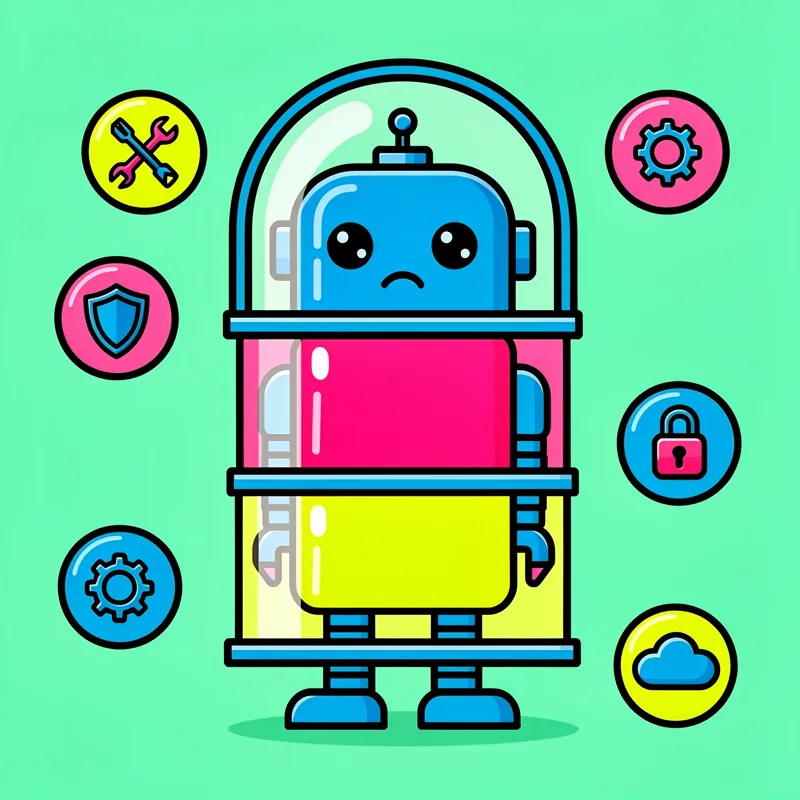
Agent failures don't need a hacker. Give one over-privileged agent the wrong tools, add a tiny bug, and you get a feedback loop that refunds money, spams tickets, or leaks data across tenants. This post breaks down the failure modes nobody demos-and the boring isolation patterns that keep the blast radius small: per-tenant tool configs, real execution sandboxes, staging/prod separation, hard policy checks at the gateway, rate limits, and human approval for destructive actions. read on »

AI

AI in CI/CD: Let the Bot Write, But Make It Earn the Deploy

Updated: September 17, 2026

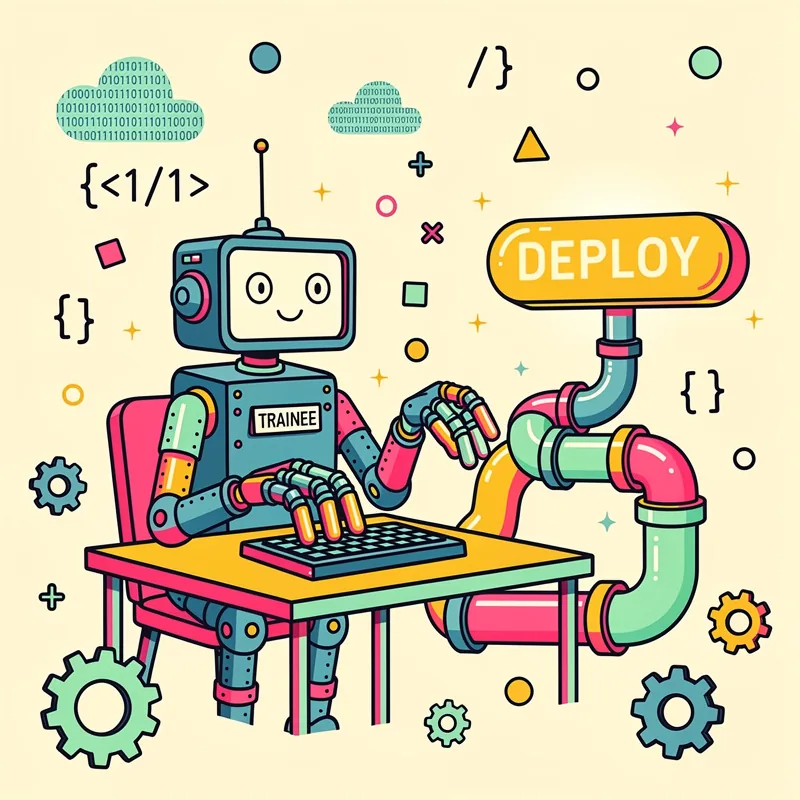
A three-line YAML tweak from an "AI helper" took down production - not because it was loud, but because it looked boring. This post breaks down how AI sneaks into CI/CD, the failure modes that slip past green checks, and the guardrails that actually help: strict ownership on risky paths, policy gates, staging smoke tests, and a hard "no" on bots merging their own PRs. read on »

AI

Human in the Loop, Not Human as Rubber Stamp

Updated: September 17, 2026

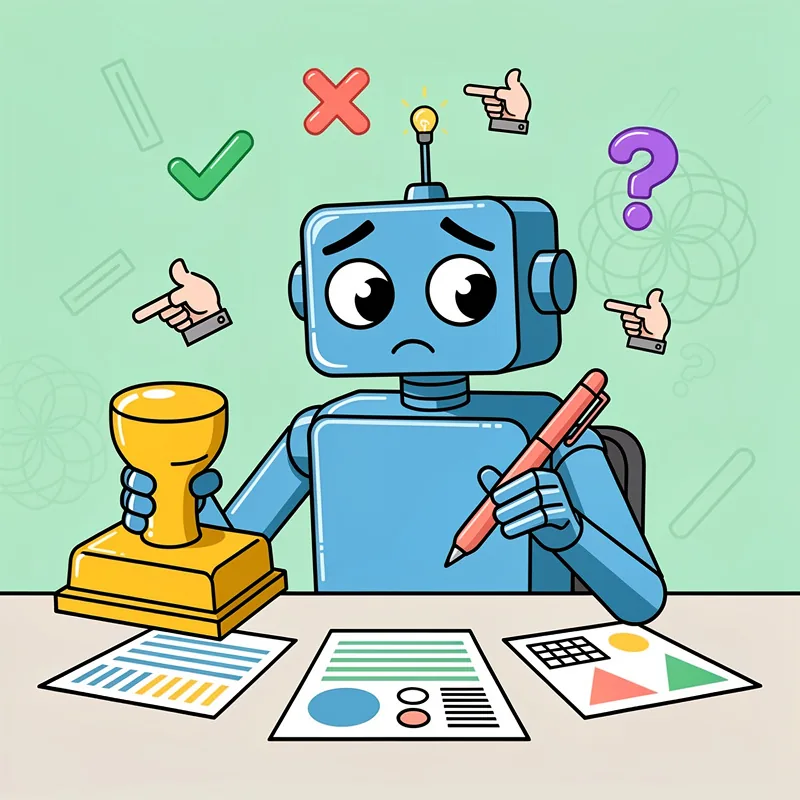
"Human-in-the-loop" isn't a button labeled Approve. If your review UI is a wall of output and your reviewers don't understand the system, you built a rubber stamp-and you'll blame the model when it fails. This post breaks down why review steps collapse, where humans truly must be involved, and how to design review surfaces that work: diffs instead of blobs, plain-language impact, risk signals, and the right kind of friction. read on »

AI

King Louie - My Cross Computer, Multi-LLM AI Assistant

Updated: September 17, 2026

LLMs are great until they confidently invent facts and force you to say, "What the crap!?" King Louie is the assistant I built to survive that reality: a desktop, multi-LLM app that shrinks the loop from "ask - copy - run - break - paste error." It adds rule-based model routing, real tools (files, bash, git, web), safe approvals, and even secure mesh pairing so your laptop can dispatch work to your desktop or server. It's chat plus the stuff you do right after chat. read on »

AI

Claude Code's Code Gets Exposed, Whoopsie!

Updated: September 17, 2026

A sourcemap in an npm package exposed the TypeScript source for Claude Code's CLI. Not model weights - just the client. Still, it's enough to see future model names, unreleased features, telemetry (yes, "swearing" counts), and some security checks. The lesson isn't "AI scandal." It's the same old one: if you ship code to the public, assume it will be read. Package like an attacker, and don't publish sourcemaps unless you mean to. read on »

AI

Mistral Moves Closer to My Fantasy with Mistral Small 4

Updated: September 17, 2026

Mistral Small 4 is the kind of model release I actually care about: one thing you can run locally that handles text, images, and code without a pile of routing glue. It's a sparse MoE (119B total, fewer active per token), has a "reasoning effort" speed-vs-depth knob, and ships with a real self-hosting story (vLLM, llama.cpp, Transformers). I'm still going to try to break its multimodal consistency-because models love turning janitors into CEOs-but this is the direction I want: smaller stacks, local control, fewer moving parts. read on »

AI

Neurons Playing DOOM: Why the Python API Matters More Than the Brain Cells

Updated: September 17, 2026

A dish of human neurons learned to "play DOOM" in a week-and the headline is the least interesting part. The real breakthrough is the Python API that makes neuron chips programmable like any other dev platform. DOOM is a tougher benchmark than Pong, but biology still comes with life support, drift, contamination, and brutal costs that don't ship well. The near-term win isn't "wetware replaces silicon." It's hybrid control: silicon does the boring, reliable work, and neuron tissue maybe handles tiny adaptive loops where weirdness helps. My bar stays simple: can it survive outside the lab? read on »

AI

Now Moltbook Gets Bought by Meta

Updated: September 17, 2026

Meta buying Moltbook isn't about "agents posting memes." It's about owning the network where agents discover each other, prove identity, and coordinate safely. Once agents can talk, you get prompt injection, spoofing, leakage, and spam at machine speed. The real work is boring: permissions, constrained actions, readable audit logs, and sandboxes that hold. If you're building here, copy that-not the hype. read on »

AI

The Doctor is in Silicon: AI Isn't Replacing Your Doctor, It's Upgrading Them

Updated: September 17, 2026

Most "AI automation" in healthcare isn't a robot doctor. It's a chance to delete the admin sludge: intake that turns patient-speak into structured notes, chart summaries that cite sources, prior auth packets assembled from the chart, and follow-up messages drafted from approved templates. The real win is boring and measurable: fewer re-typed meds, fewer clicks, fewer denials, and more clinician time for actual judgment. Also, if a vendor can't explain where the data goes and who touches it, assume the "model" is a spreadsheet with humans hiding behind it. read on »

AI

Auto-Optimize Python Code: AI Performance Tools 2026

Updated: September 17, 2026

Python is slow, and "AI optimization" is often just a story with better branding. This post lays out a simple rule: stop guessing, measure with a profiler, let AI suggest targeted patches, then force it to prove the win with benchmarks. The best speedups are boring, local tools beat cloud vibes, and you still own correctness and judgment. If your optimizer can't show receipts, it's probably another spreadsheet in a trench coat. read on »

AI

Next-Level Self-Healing: Building Agents That Fix Their Own Bugs

Updated: September 17, 2026

Vibe coding is fun until the model invents a library and calls it "fact." The fix isn't more personality-it's a tight feedback loop: run real commands, capture real errors, let a Critic diagnose, patch, and retry. With a Builder/Critic split (LiteLLM makes it easy) and full run logs stored in S3, agents stop guessing and start self-correcting. read on »

AI

Why Your Startup's 'AI Features' Keep Breaking

Updated: September 17, 2026

If your startup's AI feature "randomly" breaks in production, it's probably not random. It's prompt drift, silent model upgrades, missing evals, and a demo-to-prod gap big enough to drive a sales promise through. Here's the boring stabilization work that keeps your AI from turning into an incident generator. read on »

AI

What The Heck is Clawd... er Molty... er OpenClaw

Updated: September 17, 2026

"What the hell is this?" Direct quote from me last week when Reddit started blowing up about Clawd. I exist in the grey area of a lot of things. Really, let's discuss religion, politics, technology. I'll show you the extremes that I'm aware of, and then show you how far to each side I am for any given opinion. When it comes to bleeding edge technology I somehow find myself cautiously treading with reckless abandon. read on »

Newsletter

One email, once a week.

Notes on databases, systems, and the occasional strong opinion about Python. No spam, unsubscribe anytime.